Kutch is one of the most fascinating travel destinations in Gujarat, known for its white salt desert, traditional villages, historical attractions and beautiful natural landscapes. However, beyond the famous White Rann and cultural experiences, the region also offers something special for nature lovers – incredible wildlife and birdwatching opportunities.
The Kutch wildlife wild ass experience is particularly popular among travellers who want to discover the natural side of Gujarat. From watching the Indian wild ass moving freely across the vast salt plains to observing beautiful flamingos in seasonal wetlands, Kutch offers a unique combination of desert wildlife and bird habitats.
The region has several important wildlife destinations, including the Wild Ass Sanctuary in the Little Rann of Kutch, Flamingo City in the Great Rann and Chhari Dhand Wetland in the Banni grasslands.
Each destination offers a different experience. Some are ideal for jeep safaris, while others are better suited for birdwatching, wildlife photography and peaceful nature exploration.
Whether you are planning a family holiday, a photography trip, a couple’s getaway or a group tour, exploring Kutch wildlife can add a memorable experience to your Gujarat journey.
Understanding the Wild Ass Sanctuary in Kutch
The Wild Ass Sanctuary, also known as the Indian Wild Ass Sanctuary or Ghudkhar Sanctuary, is one of Gujarat’s most remarkable wildlife destinations.
Located in the Little Rann of Kutch, this protected area is famous for being the natural habitat of the Indian wild ass. The sanctuary covers approximately 4,953 square kilometres and protects a distinctive ecosystem of seasonal wetlands, grasslands, salt flats and desert landscapes.
The sanctuary is particularly interesting because its environment changes dramatically with the seasons.
During the monsoon, parts of the Rann become flooded, creating temporary wetlands. As the water gradually recedes, the landscape transforms into expansive salt flats and grassland areas.
This changing environment supports different wildlife and bird species throughout the year.
Why is the Wild Ass Sanctuary famous?
- Natural habitat of the Indian wild ass.
- Vast and beautiful salt desert landscapes.
- Opportunities for guided jeep safaris.
- Migratory birds during the winter season.
- Wildlife photography and nature exploration.
- Unique desert ecosystem found in Gujarat.
The sanctuary is an excellent destination for travellers interested in wildlife, ecology and the natural beauty of western India. gujrattourism+1
The Indian Wild Ass – Meet the Famous Ghudkhar
The Indian wild ass, locally known as Ghudkhar, is the main attraction of the Wild Ass Sanctuary.
It is a distinctive wild equid known for its sandy-brown body, strong legs and characteristic dark stripe running along its back.
Unlike domestic donkeys and horses, the Indian wild ass is adapted to survive in challenging desert conditions. It can move quickly across open salt plains and grasslands while searching for food and water.
Interesting facts about the Indian Wild Ass
- It is scientifically known as Equus hemionus khur.
- It is also called the Indian onager.
- It is adapted to the dry and semi-arid environment.
- It feeds on grasses, shrubs and other desert vegetation.
- It is a protected wild animal under Indian wildlife legislation.
Can tourists see wild asses during a safari?
Yes, the Little Rann is an important place to observe Indian wild asses in their natural habitat.
Visitors can explore suitable areas with authorised safari operators and experienced local guides. Sightings are never guaranteed because these are wild animals moving freely across a large protected landscape.
For the best experience, choose an early morning or late afternoon safari when conditions are generally more comfortable.
Flamingos in Kutch – Discover the Famous Flamingo City
Kutch is also famous for its spectacular flamingo population.
One of the most interesting wildlife attractions is Flamingo City, situated in the mudflats of the Great Rann of Kutch, near the Nir outpost and Kalo Dungar region.
This remote breeding area is known for flamingos gathering and nesting under suitable environmental conditions.
The region’s seasonal water bodies and saline mudflats provide a suitable habitat for these beautiful birds.
Why is Flamingo City special?
Flamingos are known for their pink feathers, long legs and distinctive curved bills. Their feeding habits and the microorganisms and algae in their diet contribute to their characteristic colour.
Flamingo City is particularly important because flamingos have been recorded breeding here, constructing mud nests and raising their young.
However, breeding activity depends on water levels, rainfall and other environmental conditions. A visit does not guarantee that visitors will see nesting colonies.
Best time to see flamingos in Kutch
The post-monsoon and winter period can provide good opportunities to observe waterbirds in Kutch.
However, Flamingo City is a remote and environmentally sensitive location. Access and viewing opportunities can vary, so travellers should check current local and Forest Department guidance before planning a visit. gujrattourism+1
Chhari Dhand Wetland – A Birdwatcher’s Paradise
Another important destination for Kutch wildlife tourism is Chhari Dhand Wetland, situated near Fulay village in the Nakhatrana region of Kutch.
The word Chhari means salty, while Dhand refers to shallow wetlands. This seasonal wetland is located near the Banni grasslands and attracts several migratory bird species, especially during the winter months.
It is a wonderful destination for birdwatchers, wildlife photographers and nature enthusiasts.
Birds you may see at Chhari Dhand
Depending on the season and water availability, visitors may observe:
- Greater and lesser flamingos
- Common cranes
- Demoiselle cranes
- Dalmatian pelicans
- Painted storks
- Spoonbills
- Black-necked storks
- Various migratory ducks and waders
- Raptors and harriers
The wetland is also associated with surrounding grassland wildlife, including desert foxes, wolves and other native animals.
What makes Chhari Dhand unique?
Unlike permanent lakes, Chhari Dhand changes according to rainfall and seasonal water levels. After the monsoon, the wetland can attract large numbers of migratory birds.
The surrounding grasslands also create an excellent natural environment for birdwatching and photography.
The Government of Gujarat identifies Chhari Dhand as an important wetland and birdwatching destination, with more than 370 recorded bird species in the region. India+1
Travel recommendation: Plan a half-day excursion from Bhuj or the surrounding Banni region, subject to current access conditions. Contact a knowledgeable local guide before travelling because the water level and bird locations can change.
Best Time to Visit Kutch Wildlife Destinations
The best time to explore Kutch wildlife depends on the destination, weather conditions and your interest in animals or birds.
Generally, October to March is a useful period for planning a wildlife-focused Kutch holiday, with November to February particularly attractive for winter birdwatching.
Season-wise travel guide
| Season | Wildlife experience | Recommendation |
|---|---|---|
| October–November | Post-monsoon landscape and changing wetlands | Good for planning wildlife trips |
| December–January | Winter migratory birds and comfortable weather | Excellent for birdwatching |
| February–March | Birdwatching opportunities and warmer days | Good for wildlife photography |
| April–June | Hot and dry conditions | Plan carefully around heat and operating dates |
| July–September | Monsoon conditions and seasonal flooding | Wildlife tourism access may be restricted |
Current Wild Ass Sanctuary visiting season
For the 2026–27 season, a report published on 18 October 2026 states that the Little Rann Wild Ass Sanctuary reopened on 9 October and is scheduled to remain accessible until 14 June 2027.
Gujarat Tourism’s published visitor information also lists dawn-to-dusk visiting hours from 16 October to 15 June. Visitors should confirm the latest Forest Department operating schedule before departure. ahmedabadmirror.com+1
Best time according to your interest
- For wild ass sightings: Choose the cooler months and arrange an authorised safari.
- For flamingos: Consider the post-monsoon and winter period, depending on water conditions and breeding activity.
- For migratory birds: November to February is generally a good planning window.
- For photography: Early morning and late afternoon offer attractive natural lighting.
Remember that wildlife sightings depend on natural conditions. No tour operator can guarantee sightings of particular animals or birds.
Wildlife and Bird Species You May Spot in Kutch
Kutch is home to different ecosystems, including salt marshes, grasslands, wetlands and dry desert habitats.
This variety supports several species of mammals, reptiles and birds.
| Wildlife | Where to look | Experience |
|---|---|---|
| Indian wild ass | Little Rann | Jeep safari |
| Greater flamingo | Wetlands and Great Rann | Birdwatching |
| Lesser flamingo | Seasonal wetlands | Bird photography |
| Chinkara | Grasslands and dry scrub | Wildlife observation |
| Desert fox | Grasslands and desert areas | Occasional sightings |
| Indian wolf | Suitable grassland habitats | Rare wildlife observation |
| Pelicans | Chhari Dhand and wetlands | Birdwatching |
| Cranes | Seasonal wetlands | Photography |
| Spoonbills | Shallow water bodies | Birdwatching |
The exact species visible during your trip will depend on the destination, season and environmental conditions.
Best Places to Explore Kutch Wildlife
If you are planning a nature-focused trip, these destinations deserve consideration.
1. Wild Ass Sanctuary
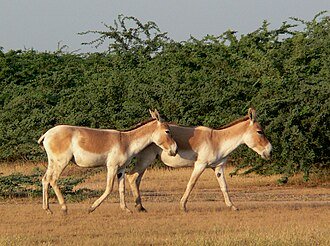
Best for Indian wild ass sightings, guided jeep safaris and desert landscapes.
Region: Little Rann of Kutch
2. Flamingo City
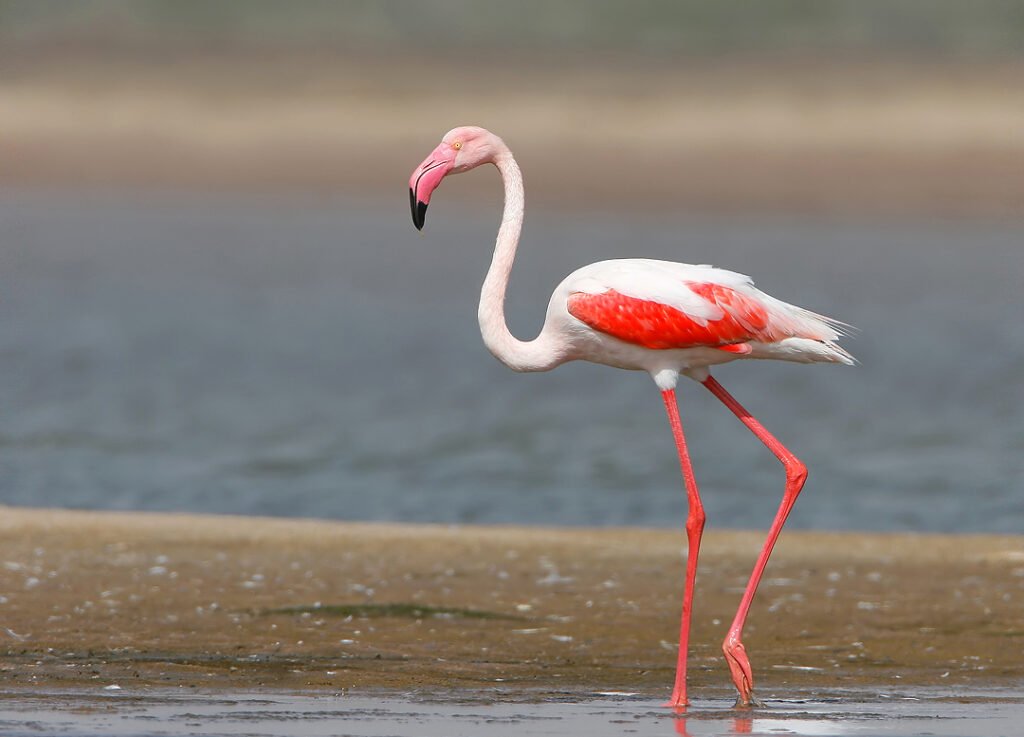
Known for flamingo breeding colonies and the unique mudflat ecosystem.
Region: Great Rann, near Kalo Dungar
3. Chhari Dhand Wetland
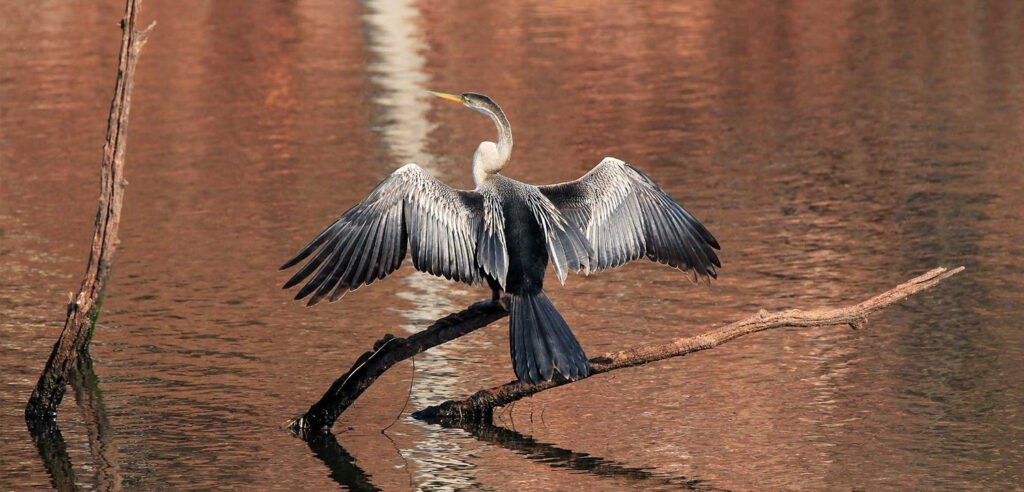
Excellent for migratory birds, flamingos, cranes and nature photography.
Region: Banni grasslands, near Fulay
4. Kalo Dungar
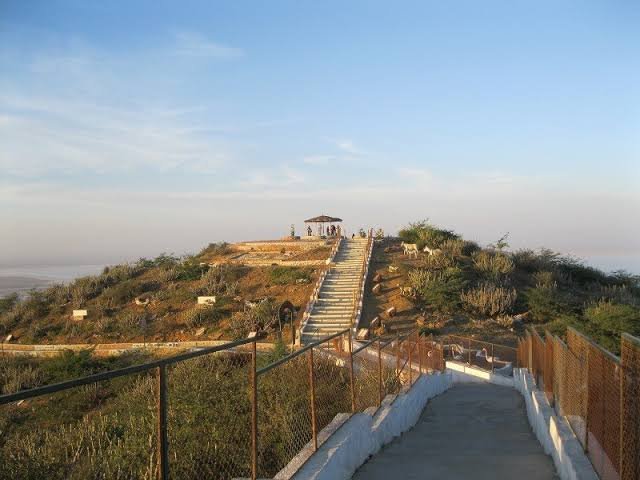
Famous for panoramic views of the Great Rann and its surrounding landscape. It can be combined with a wider nature and sightseeing itinerary.
Region: Northern Kutch
5. Banni Grasslands
An interesting region for observing grassland ecosystems, native vegetation and seasonal birdlife.
Region: Northern Kutch
Things to Do During a Kutch Wildlife Trip
A wildlife holiday in Kutch can include several activities beyond ordinary sightseeing.
1. Enjoy a guided jeep safari
A jeep safari in the Little Rann provides an opportunity to explore the salt desert and search for Indian wild asses.
Always choose an authorised operator and follow the guide’s instructions.
2. Experience birdwatching
Visit Chhari Dhand or suitable wetland areas to observe migratory birds. Binoculars can make the experience more rewarding.
3. Enjoy wildlife photography
Kutch offers beautiful photographic opportunities, from flamingos standing in shallow water to wild asses crossing open salt plains.
A telephoto lens is helpful for photographing wildlife without disturbing animals.
4. Explore the desert landscape
The changing colours of the salt flats, open grasslands and seasonal wetlands make Kutch a beautiful destination for nature lovers.
5. Discover Kutchi culture
Combine your wildlife holiday with visits to traditional villages, local handicraft centres and cultural attractions.
This gives travellers a more complete understanding of Kutch beyond its wildlife.
For Chhari Dhand, visitors should make arrangements with local authorities or knowledgeable guides in advance. Facilities in remote wetland areas can be limited.. Suggested Kutch Wildlife Tour Itinerary
If you want to experience the wildlife and natural beauty of Kutch, you can combine birdwatching, desert sightseeing and cultural attractions in one holiday.
The following is a suggested 4-night, 5-day itinerary starting from Bhuj. It is a flexible plan, not a guarantee that all wildlife locations will be accessible on the same dates.
4 Nights / 5 Days – Kutch Nature and Wildlife Tour
| Day | Destination | Suggested activities |
|---|---|---|
| Day 1 | Arrival in Bhuj | Hotel check-in, Bhuj sightseeing and local market |
| Day 2 | Chhari Dhand and Banni | Early morning birdwatching, wetland exploration and Banni village experience |
| Day 3 | Dhordo and Great Rann | White Rann, Kalo Dungar and sunset sightseeing |
| Day 4 | Dholavira | Road to Heaven, archaeological site and surrounding landscape |
| Day 5 | Bhuj and departure | Breakfast, shopping and departure |
Important itinerary note: Flamingo City is not an ordinary roadside tourist attraction. Access to the remote breeding area is subject to permissions, environmental conditions and local guidance. Include it only if a suitable visit is confirmed.
The Little Rann Wild Ass Sanctuary is also a separate geographical destination. It is better to plan a separate extension rather than assume it can be covered conveniently during this Bhuj-based itinerary.
Alternative: 2-Day Little Rann Wildlife Extension
For travellers particularly interested in the Indian wild ass, consider a separate two-day extension.
- Day 1: Travel towards the Little Rann, check into suitable local accommodation and explore the surrounding landscape.
- Day 2: Arrange an authorised early morning wildlife safari, followed by departure.
This allows more time for wildlife exploration without rushing between distant destinations.
Where to Stay During Your Kutch Wildlife Trip
Choosing the right accommodation can make your Kutch wildlife holiday more comfortable, particularly when you have early morning excursions and long road journeys.
Bhuj is a practical accommodation base for exploring central Kutch, Chhari Dhand, Dhordo and other regional attractions. For the Little Rann, consider accommodation closer to your planned safari location.
Through its accommodation portfolio, StayGuru Hotels & Resorts, associated with AYO Hospitality Private Limited, offers different accommodation options across Kutch.
Here are some properties worth considering depending on your itinerary.
1. StayGuru Usha Residency
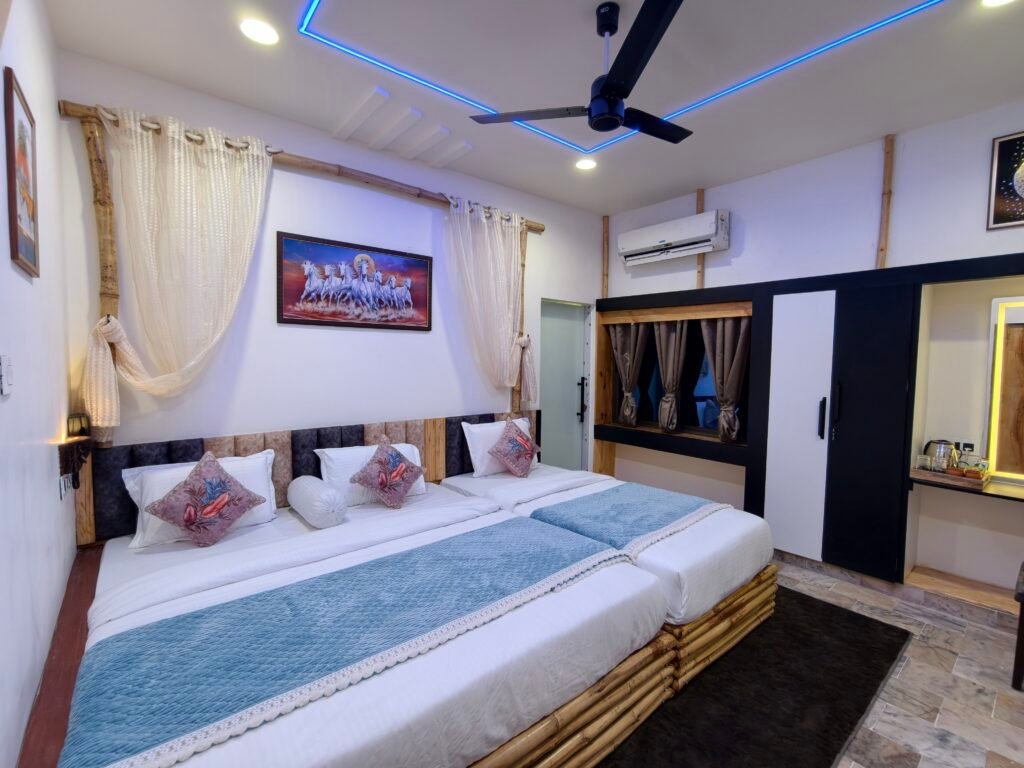
A city accommodation option to consider when staying in Bhuj and planning local sightseeing or onward road journeys.
2. StayGuru Hariom Residency
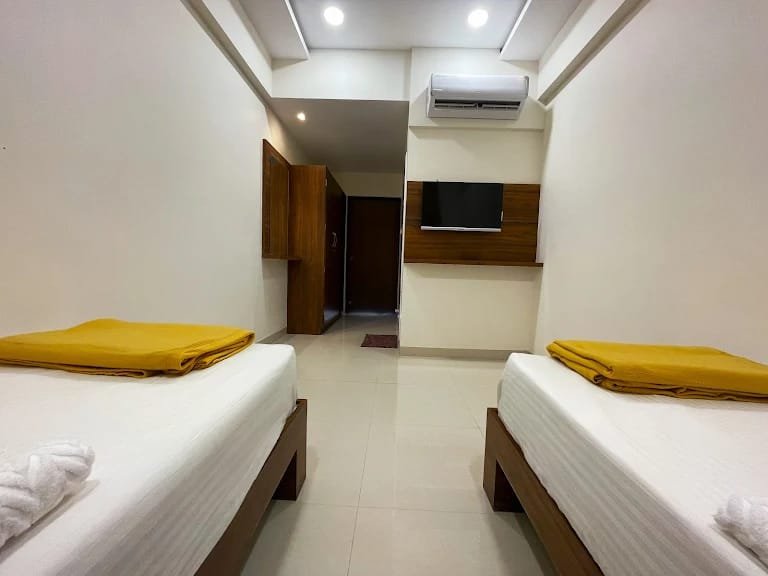
A hotel-style accommodation option for travellers looking for a practical base in Bhuj. Published room categories include Double Deluxe, Executive Deluxe and Superior Deluxe.
3. StayGuru Park View Residency
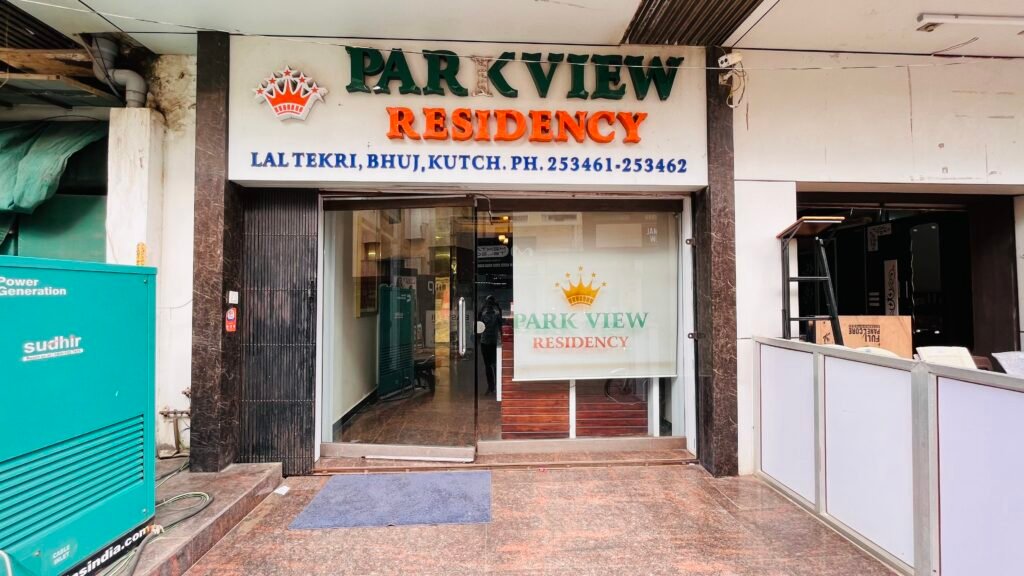
An option for couples, families and small groups comparing city accommodation. Its published room categories include Double Deluxe, Triple Deluxe and Super Deluxe.
4. StayGuru Resort Farm Villa
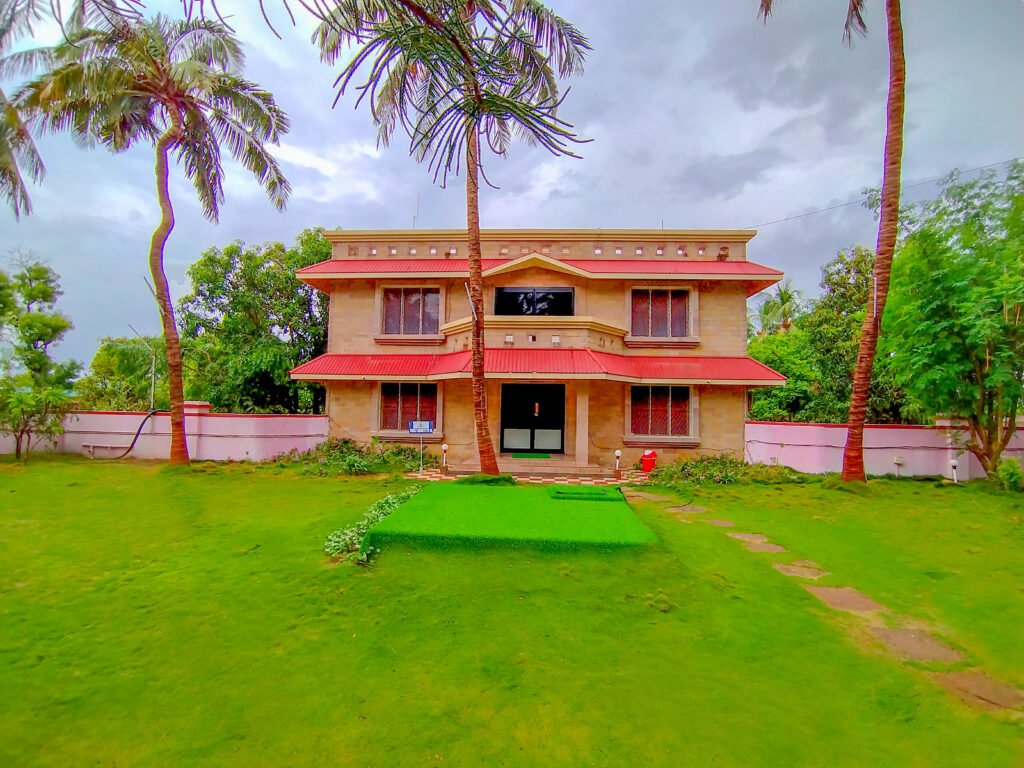
A resort-style accommodation option near Bhuj for travellers who prefer a more relaxed setting after sightseeing.
5. StayGuru Palm Glow Resort
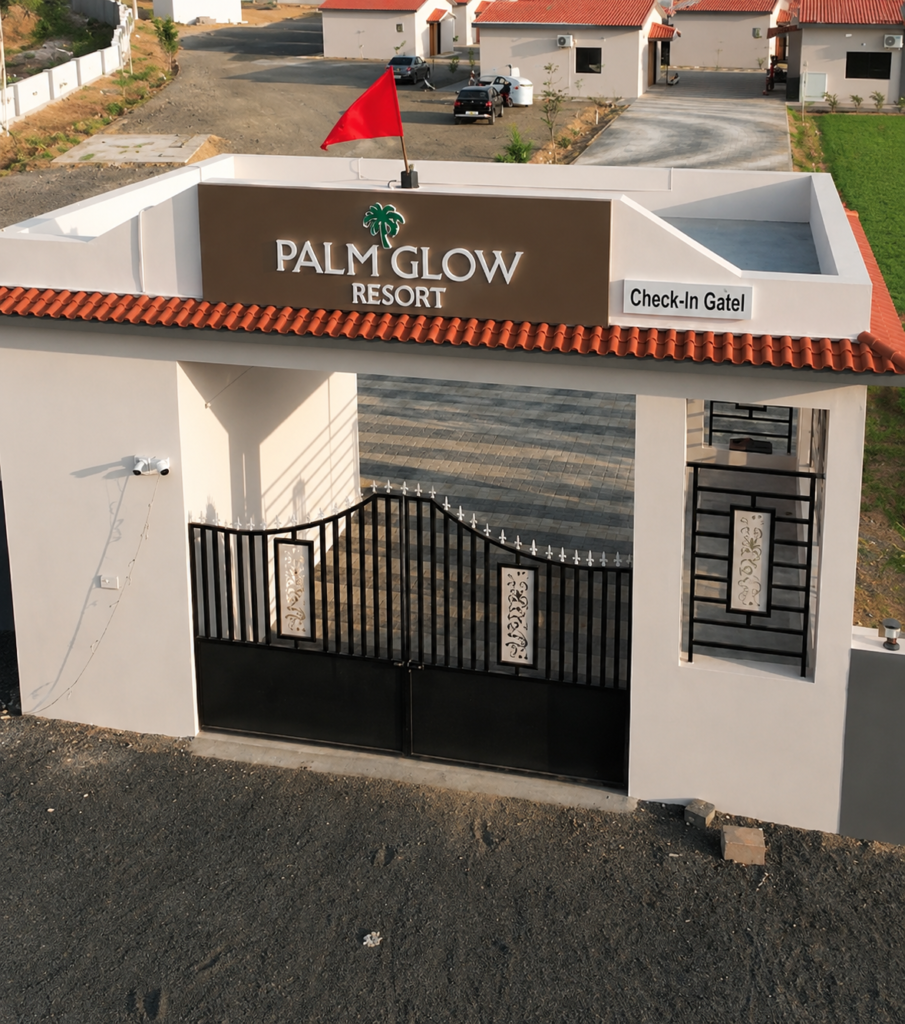
Located in the Dahisara area on the Bhuj–Mandvi route, this property is worth considering for travellers combining Mandvi and Bhuj sightseeing.
StayGuru Palm Glow Resort Rooms.
6. StayGuru Plumeria Hotel

Another accommodation option to compare when planning a stay in the wider Kutch region. StayGuru Plumeria Hotel.
7. Kutch Shahi Haveli

Travellers interested in a heritage-style accommodation experience can explore Kutch Shahi Haveli.
Accommodation recommendation: Choose your hotel according to your actual sightseeing route. Before confirming, check room availability, facilities, meal arrangements, location and travel time to the wildlife destination.
Transportation, Taxi and Tour Packages
Wildlife destinations in Kutch are spread across different geographical areas. Public transport may not be convenient for reaching remote wetlands, safari entry points and isolated sightseeing locations.
For families, couples and groups, arranging a private vehicle can make the journey more flexible.
Explore Kutch with Kutch Tours & Travels
Kutch Tours & Travels helps travellers plan holidays covering Bhuj, Dhordo, Dholavira, Mandvi and other attractions across Kutch.
You can enquire about:
- Customised Kutch tour packages.
- Hotel and accommodation arrangements.
- Local sightseeing.
- Multi-day family holidays.
- Group transportation.
- Wildlife sightseeing arrangements, subject to authorised access.
Taxi and cab services with Hariom Tours & Travels
Travellers requiring private transportation can also enquire with Hariom Tours & Travels for:
- Bhuj airport pickup and drop.
- Bhuj railway station transfers.
- Local sightseeing.
- Outstation journeys.
- Family and group transportation.
Confirm vehicle availability, route permissions, safari arrangements, total fare and applicable additional charges before booking.
AYO Hospitality – Connecting Travel and Accommodation
AYO Hospitality Private Limited brings together hospitality and travel-related services through its associated brands, including StayGuru Hotels & Resorts and Kutch Tours & Travels.
This provides travellers with a convenient starting point for exploring accommodation and travel arrangements for their Kutch holiday.
Frequently Asked Questions
1. What is the Wild Ass Sanctuary in Kutch famous for?
The Wild Ass Sanctuary in the Little Rann of Kutch is famous for the Indian wild ass, locally called Ghudkhar. It is an important protected habitat where visitors can arrange guided jeep safaris.
2. Where is the Wild Ass Sanctuary located?
The Wild Ass Sanctuary is located in the Little Rann of Kutch in Gujarat. It covers parts of several districts, so visitors should identify their chosen safari entry point before planning road travel.
3. What is the best time to visit the Kutch Wild Ass Sanctuary?
The cooler months from November to February are generally comfortable for wildlife tourism. The sanctuary’s published operating season extends approximately from October to June, subject to the current Forest Department schedule.
4. Can tourists see Indian wild asses in their natural habitat?
Yes. Visitors can look for Indian wild asses during authorised jeep safaris in the Little Rann. However, sightings depend on natural wildlife movement and cannot be guaranteed.
5. Where can I see flamingos in Kutch?
Flamingos can be observed at suitable seasonal wetlands across Kutch. Important locations include Flamingo City in the Great Rann and Chhari Dhand Wetland in the Banni region.
6. What is Flamingo City famous for?
Flamingo City is a remote area of the Great Rann of Kutch known for flamingo breeding colonies. Flamingos build mud nests and raise their young under suitable environmental conditions.
7. Is Chhari Dhand good for birdwatching?
Yes. Chhari Dhand is an important seasonal wetland known for migratory birds, including flamingos, cranes, pelicans and other waterbirds. Bird activity depends on seasonal water availability.

