
Kutch is famous for its endless white desert, beautiful landscapes, traditional villages and cultural heritage. But what happens when the monsoon arrives? The dry desert region starts experiencing rainfall, seasonal greenery appears, and the landscape changes completely.
Kutch in monsoon offers a different travel experience compared to the popular winter season. However, not every destination remains accessible, and heavy rainfall can affect road journeys and sightseeing plans.
So, is visiting Kutch during the rainy season a beautiful hidden experience or a trip you should avoid? Let’s explore honestly.
What Does Kutch Look Like During Monsoon?
During July, August and September, parts of Kutch receive seasonal rainfall. Dry landscapes can turn greener, local vegetation grows, and some low-lying areas collect rainwater.
The Great Rann is a seasonal salt marsh that becomes submerged during the rainy season. Therefore, visitors should not expect the familiar white salt desert experience during these months.
For nature lovers and photographers, the changing scenery can offer a completely different perspective of Kutch.
Best Places to Explore in Kutch During Monsoon
1. Bhuj – Heritage and Local Experiences
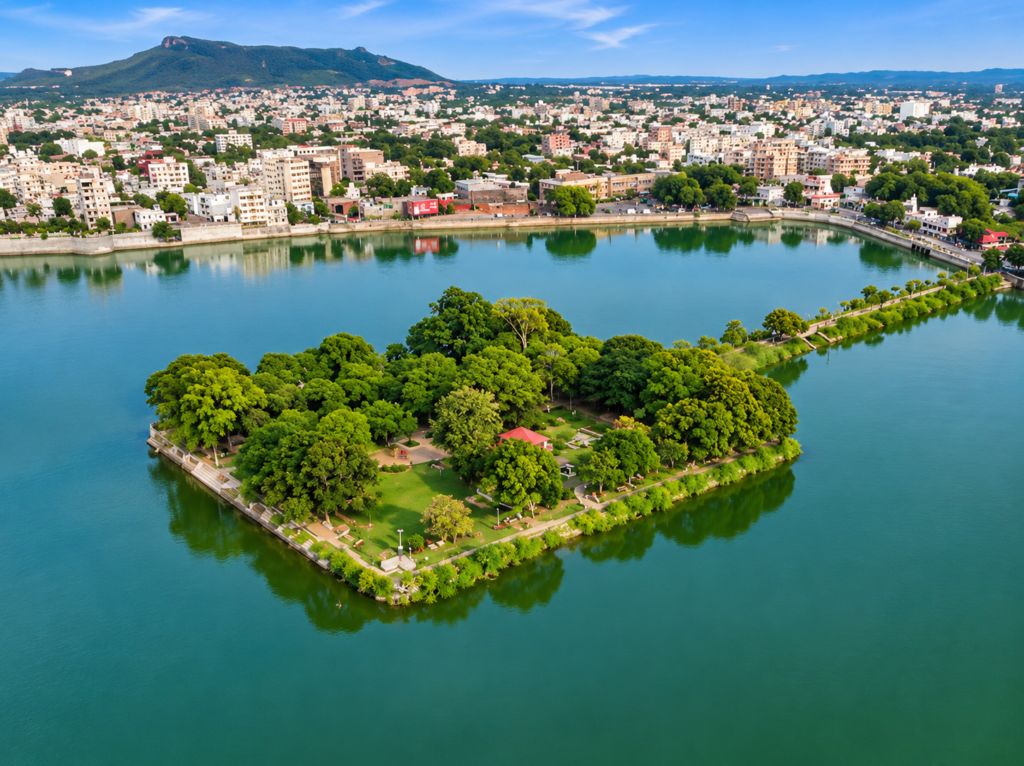
Bhuj is a practical base for monsoon travellers. Explore historical attractions, local markets, traditional food and nearby craft villages. You can also discover more in our Bhuj travel guide.
2. Mandvi – Coastal Beauty

Mandvi offers beach views, coastal scenery and heritage attractions. The monsoon atmosphere can make the surroundings more refreshing, but swimming and beach activities should be avoided during rough sea conditions.
3. Dholavira – History and Changing Landscapes
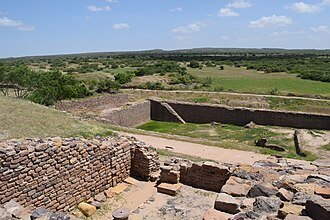
Dholavira is an excellent destination for travellers interested in ancient history and archaeology. However, check road conditions before travelling, particularly around the Road to Heaven, as rainfall can affect access.
4. Banni Grasslands – Seasonal Natural Beauty
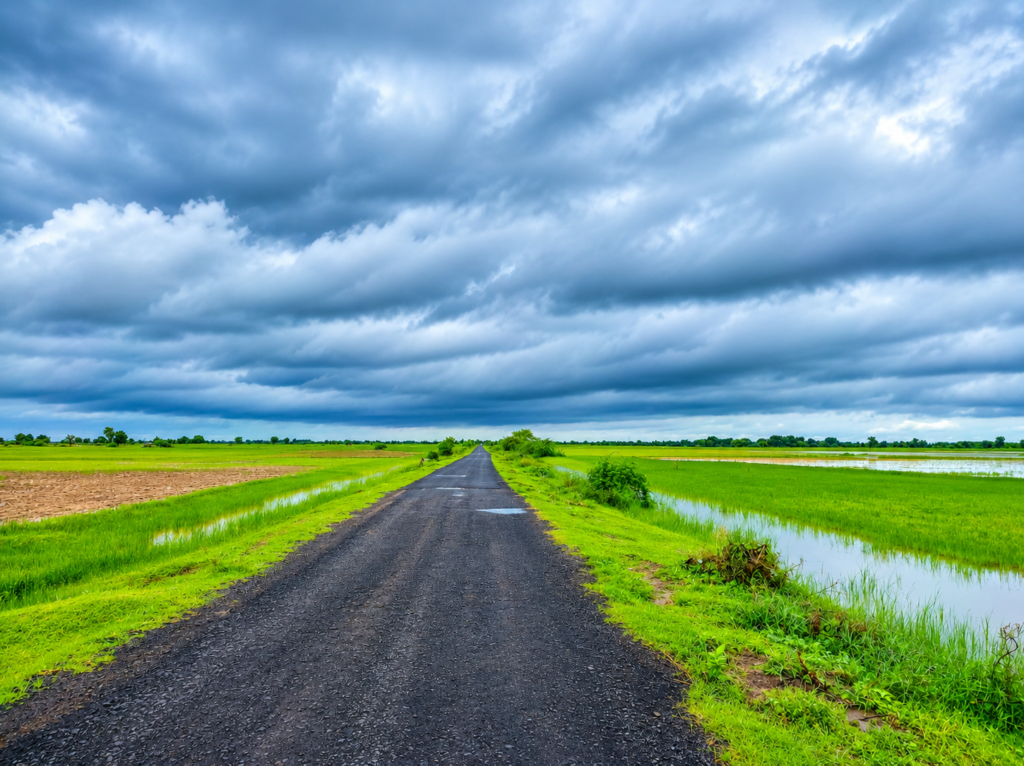
The Banni region is known for its grasslands, wildlife and traditional villages. Seasonal vegetation and wetlands can make the landscape interesting for nature enthusiasts. Wildlife sightings are never guaranteed, and visitors should respect local access restrictions.
Kutch in Monsoon vs Winter: Which Is Better?
| Travel Factor | Monsoon (July–September) | Winter (November–February) |
|---|---|---|
| Landscape | Seasonal greenery | Dry desert and salt landscapes |
| White Rann | Usually submerged | Best for white salt views |
| Weather | Rainy and humid | Generally pleasant |
| Photography | Green landscapes and clouds | White desert and sunsets |
| Rann Utsav | Not operating | Festival season |
| Travel conditions | Weather-dependent | Generally more predictable |
Is Kutch Worth Visiting During Monsoon?
Yes, but only if you have the right expectations.
Visit during monsoon if you:
- Enjoy greenery, clouds and changing natural landscapes.
- Prefer quieter travel experiences.
- Love photography and cultural exploration.
- Have flexible travel dates.
Avoid planning a monsoon trip if you:
- Mainly want to experience the White Rann.
- Want to attend Rann Utsav.
- Prefer predictable road and outdoor sightseeing conditions.
- Have a very tight travel schedule.
6 Important Travel Notes Before Visiting Kutch
- Check the weather: Monitor rainfall forecasts before departure.
- Confirm road conditions: Check local updates before travelling to remote destinations.
- Avoid flooded areas: Never drive through waterlogged roads or restricted areas.
- Plan flexible sightseeing: Keep alternative indoor and heritage attractions.
- Confirm accommodation: Check seasonal opening dates and availability before booking.
- Choose suitable transport: Prefer an experienced local driver familiar with Kutch routes.
For additional preparation, read our Kutch packing list and travel tips.
Frequently Asked Questions
1. Is Kutch worth visiting during monsoon?
Yes. Kutch offers seasonal greenery, cloudy landscapes and quieter travel experiences, but some attractions may have access limitations.
2. Which months are considered monsoon in Kutch?
July, August and September are generally considered the main monsoon travel months.
3. Can we visit the White Rann during monsoon?
The Great Rann becomes submerged during the rainy season. The usual white salt desert experience is generally unavailable.
4. Is Dholavira open during monsoon?
Access and operating conditions can vary. Confirm current local conditions and archaeological site timings before travelling.
5. Is Mandvi Beach safe during monsoon?
Sea conditions can become rough during monsoon. Avoid swimming and follow local safety instructions.
6. Does Kutch become green during monsoon?
Some areas develop seasonal greenery after rainfall, particularly grassland and vegetation-covered regions.
7. Is Kutch crowded during monsoon?
Many travellers prefer the winter season, so some destinations may be quieter during monsoon. Actual visitor numbers vary.
8. Is Road to Heaven accessible during monsoon?
Conditions can change due to rainfall and waterlogging. Confirm the latest local road situation before starting your journey.
9. Can families visit Kutch during the rainy season?
Yes, provided the itinerary is flexible, accommodation is confirmed and weather and road conditions are checked.
10. What is the best season to visit Kutch?
November to February is generally preferred for White Rann sightseeing, pleasant weather and Rann Utsav.

