The Rann of Kutch is one of Gujarat’s most fascinating natural landscapes, famous for its endless salt desert, unique wildlife and breathtaking scenery. However, many travellers do not realise that the Great Rann of Kutch and Little Rann of Kutch are two different destinations with different experiences.
While the Great Rann is famous for its spectacular White Desert, sunsets and Rann Utsav, the Little Rann is better known for wildlife, Indian wild asses and desert safaris. Understanding the difference between these two regions can help you plan a better Gujarat holiday.
Let’s explore the essential differences between the Great Rann vs Little Rann of Kutch.
1. What Is the Great Rann of Kutch?
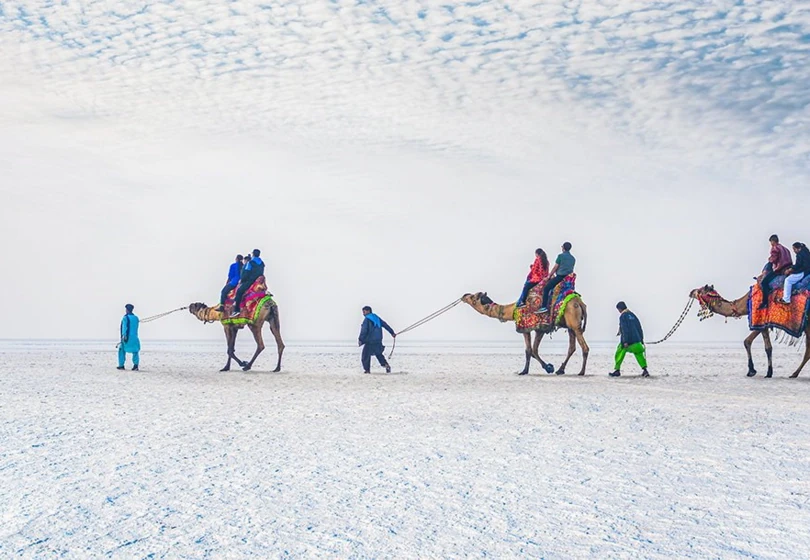
The Great Rann of Kutch is a vast seasonal salt marsh located in the Kutch district of Gujarat. During the dry winter months, parts of this landscape transform into a stunning white salt desert.
The famous White Rann near Dhordo is one of the region’s biggest attractions. Visitors travel here to enjoy sunset views, photography, traditional Kutchi culture and the popular Rann Utsav.
Popular experiences include:
- Visiting the White Rann near Dhordo.
- Watching beautiful desert sunsets.
- Experiencing Rann Utsav and cultural programmes.
- Exploring nearby villages and handicraft markets.
- Visiting Kala Dungar for panoramic views.
2. What Is the Little Rann of Kutch?
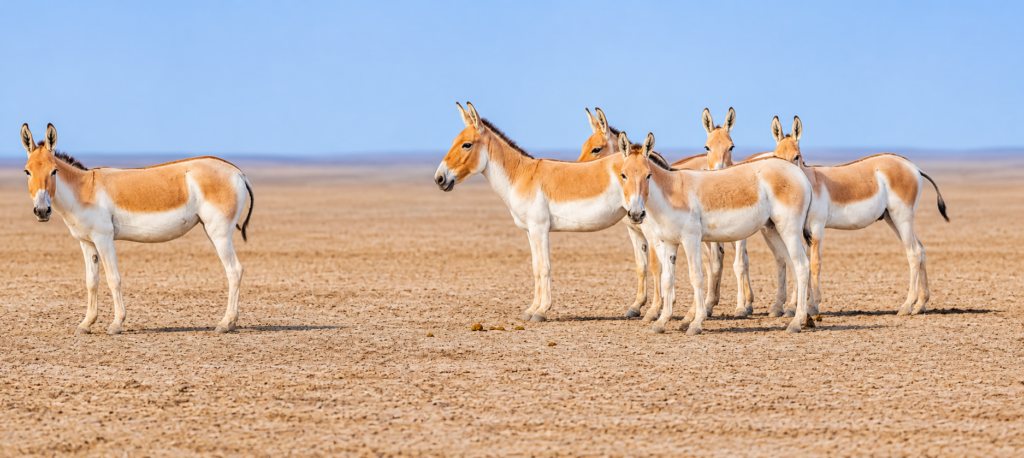
The Little Rann of Kutch is another distinctive salt-marsh region, located approximately 200 km east of the Great Rann. It is especially famous for the Wild Ass Sanctuary, which protects the Indian wild ass, locally known as Khur.
Unlike the tourism-focused White Rann, the Little Rann attracts wildlife enthusiasts, photographers and birdwatchers.
Popular experiences include:
- Jeep safaris through the Wild Ass Sanctuary.
- Spotting Indian wild asses.
- Watching migratory birds during winter.
- Exploring the unique desert ecosystem.
- Photographing wildlife and seasonal wetlands.
3. Great Rann vs Little Rann of Kutch: Key Differences
The biggest difference is the type of travel experience each destination offers.
| Comparison | Great Rann of Kutch | Little Rann of Kutch |
|---|---|---|
| Main attraction | White Salt Desert | Wild Ass Sanctuary |
| Famous location | Dhordo | Wild Ass Sanctuary region |
| Popular experience | Desert sightseeing | Wildlife safari |
| Landscape | Vast white salt flats | Salt marshes, grasslands and wetlands |
| Wildlife | Flamingos and other desert wildlife | Indian wild ass, birds and other animals |
| Best for | Families, couples and photographers | Wildlife lovers and birdwatchers |
| Famous activity | Sunset and Rann Utsav | Jeep safari |
| Travel experience | Culture and desert tourism | Nature and wildlife tourism |
4. Which Is Better: Great Rann or Little Rann?
The answer depends on your travel interests.
Choose the Great Rann of Kutch if you want:
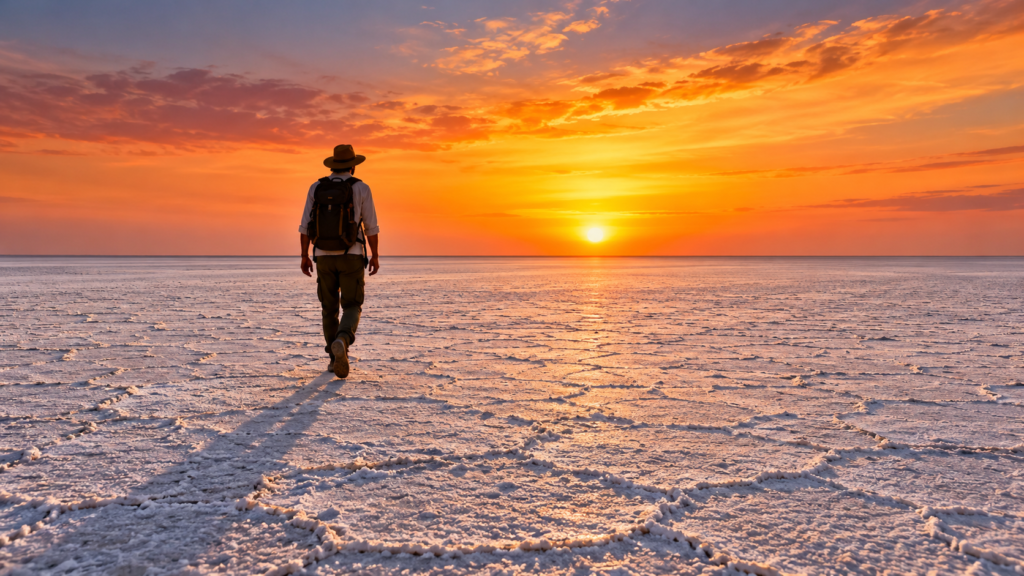
- Beautiful white desert photography.
- Rann Utsav cultural experiences.
- Traditional Kutchi food and handicrafts.
- Family-friendly sightseeing.
- Sunset and full-moon desert views.
Choose the Little Rann of Kutch if you want:
- Indian wild ass sightings.
- Wildlife photography.
- Jeep safari experiences.
- Migratory birdwatching.
- A quieter nature-focused trip.
If you enjoy both cultural tourism and wildlife, you can plan separate visits to both destinations as part of a longer Gujarat journey.
5. Best Time to Visit Great Rann and Little Rann
Winter is generally the most comfortable season to explore both regions.
| Destination | Recommended Period | Main Experience |
|---|---|---|
| Great Rann | November to February | White Desert and Rann Utsav |
| Little Rann | November to February | Wildlife and birdwatching |
The Great Rann is best experienced when the salt landscape is dry and accessible. The Little Rann is particularly attractive during winter when migratory birds visit the region.
The Wild Ass Sanctuary’s official visiting season is listed as 16 October to 15 June. Always confirm current access arrangements before travelling.
6. Important Travel Notes Before Visiting
Keep these six practical points in mind:
- Check permits: Verify the latest entry permit and access requirements before visiting the White Rann.
- Plan your season: Winter is generally more comfortable for desert sightseeing and wildlife experiences.
- Book safari arrangements: Confirm authorised safari availability and local entry requirements before visiting the Little Rann.
- Carry essentials: Take drinking water, sunscreen, sunglasses and comfortable footwear.
- Plan transportation: Both destinations require road travel, so arrange suitable transportation in advance.
- Respect nature: Avoid disturbing wildlife, littering or entering restricted areas.
7. How to Plan Your Kutch Trip?
If you are planning to explore the Great Rann, start your journey from Bhuj and include Dhordo, the White Rann, Kala Dungar and nearby handicraft villages.
You can explore suitable Kutch tour packages or choose a customised Kutch tour package according to your travel duration and interests.
For travellers who need comfortable road transportation, Kutch taxi services can help with transfers and sightseeing arrangements.
For a more detailed destination experience, read our Dhordo Village travel guide.
Frequently Asked Questions
Q1. What is the main difference between Great Rann and Little Rann of Kutch?
The Great Rann is famous for its White Salt Desert and Rann Utsav, while the Little Rann is known for the Wild Ass Sanctuary and wildlife experiences.
Q2. Is the White Rann part of the Great Rann of Kutch?
Yes. The White Rann near Dhordo is a famous tourist-accessible part of the Great Rann.
Q3. Is the Little Rann of Kutch famous for wild asses?
Yes. The Little Rann is home to the Indian wild ass, also known as Khur, protected within the Wild Ass Sanctuary.
Q4. How far is the Little Rann from the Great Rann?
The two regions are approximately 200 km apart, although the actual road distance depends on the selected starting and ending points.
Q5. Which Rann is better for photography?
The Great Rann is ideal for white desert landscapes, sunsets and cultural photography. The Little Rann is better for wildlife and bird photography.
Q6. Can tourists enjoy jeep safaris in the Little Rann?
Yes. Jeep safaris are a popular way to explore the Wild Ass Sanctuary, subject to applicable permissions and availability.
Q7. Yes. Jeep safaris are a popular way to explore the Wild Ass Sanctuary, subject to applicable permissions and availability.
No. Rann Utsav is associated with the White Rann region near Dhordo in the Great Rann of Kutch.
Q8. What is the best month to visit the Great Rann of Kutch?
November to February is generally a good period for comfortable weather and White Rann sightseeing.
Q9. Can I visit both Great Rann and Little Rann in one trip?
Yes, but you should plan sufficient travel time because they are separate destinations. A customised Gujarat itinerary can help combine both.
Q10. Which Rann is better for a family holiday?
The Great Rann is generally more suitable for families looking for desert sightseeing, cultural experiences, photography and Rann Utsav activities.

