
Mandvi shipbuilding is one of the most fascinating examples of Gujarat’s traditional craftsmanship and maritime heritage. Located in the coastal town of Mandvi, in the Kutch district of Gujarat, the historic shipbuilding area offers visitors a rare opportunity to see large wooden vessels taking shape through the knowledge and skills of experienced artisans.
Unlike a conventional museum, the Mandvi shipbuilding yard represents a living tradition. The sound of woodworking tools, carefully shaped timber and the enormous wooden structures of ships under construction provide a glimpse into a craft that has connected coastal communities with the sea for generations.
Mandvi was historically an important trading port, with maritime connections extending to regions around the Arabian Sea, East Africa and the Persian Gulf. Although shipping methods have changed over time, traditional wooden shipbuilding continues to form part of the town’s identity.
For families, couples, history enthusiasts, photographers and travellers exploring Kutch, this destination offers a different experience from the region’s famous white desert, handicraft villages and beaches.
If you are planning a trip with Kutch Tours & Travels, consider including the shipbuilding yard in a wider Mandvi sightseeing itinerary alongside the beach, historic architecture and local markets.
History of Mandvi Shipbuilding
Mandvi’s connection with maritime trade
Mandvi developed as an important port town during the rule of the Kutch kingdom. Its coastal position supported trading connections between inland Gujarat and destinations across the Arabian Sea.
According to Incredible India, Mandvi’s merchants owned a fleet of approximately 400 vessels by the 18th century. These ships supported trade with East Africa, the Malabar coast and the Persian Gulf, helping establish Mandvi as a major maritime centre.
The town’s prosperity depended on more than merchants and sailors. Shipbuilders, timber workers, carpenters and other skilled workers played an important role in constructing and maintaining the vessels that supported these journeys.
The traditional wooden dhow
The vessels associated with Mandvi’s shipbuilding tradition are commonly known as dhows. These are traditional sailing vessels historically used for trading and travelling across the Indian Ocean and nearby coastal waters.
Wooden shipbuilding knowledge has been passed down through generations of craftsmen, particularly members of the local Kharva community. Their experience includes selecting timber, shaping large wooden sections and assembling the vessel’s structure.
The craft is notable because much of the work depends on practical experience, an understanding of materials and the ability to judge the shape of a vessel as construction progresses.
Why is Mandvi shipbuilding important today?
The shipbuilding yard is valuable for several reasons:
- Cultural heritage: It preserves traditional maritime knowledge and craftsmanship.
- Local livelihoods: Ship construction and related work support skilled workers and their families.
- Historical understanding: Visitors can connect Mandvi’s trading past with its continuing coastal identity.
- Educational value: Students and families can learn about wooden vessels, materials and traditional construction techniques.
- Responsible tourism: Respectful visits can help draw attention to a working craft that is rarely seen in conventional tourist attractions.
Mandvi’s shipyard is therefore more than a sightseeing stop. It offers a direct connection with the people and skills behind Gujarat’s maritime history.
How Traditional Wooden Ships Are Built


11
One of the most interesting aspects of Mandvi shipbuilding is the combination of physical labour, material knowledge and skills developed through years of practice.
Traditional construction methods can vary according to the vessel and the shipyard. Historical documentation of Gujarat’s wooden shipbuilding describes several stages, from preparing the structure to shaping planks and sealing the gaps between them.
1. Preparing the wooden structure
The construction process begins with preparing the main structure of the vessel. Shipbuilders must consider the ship’s intended use, dimensions and overall shape.
The keel and supporting framework help establish the vessel’s basic form. Large wooden sections are positioned carefully to create a structure capable of carrying the weight and stresses associated with its intended work.
2. Shaping and fitting wooden planks
Wooden planks form the outer body of the vessel. Historically, craftsmen have used a combination of hand tools, heat and practical experience to shape timber into the required curves.
Each plank must fit closely with adjoining sections. This requires careful measurement, adjustment and an understanding of how wood behaves during construction.
3. Joining the sections
The wooden components are fastened together using suitable joining methods and hardware. The precise methods can differ between vessels and workshops, particularly as modern equipment has become more accessible.
Visitors may notice large timber pieces, metal fasteners, hand tools and partially completed hulls around the working area.
4. Sealing the hull
Keeping water out is essential for a wooden vessel. Historical descriptions of Gujarat’s shipbuilding traditions document the use of cotton fibres treated with oil to seal gaps between planks.
Modern materials and practices may differ, so visitors should not assume every shipyard follows precisely the same method.
5. Completing the vessel
The remaining construction work depends on the ship’s design and intended purpose. It may include completing the hull, fitting structural components and preparing the vessel for its eventual use.
A large wooden ship takes considerable time and coordinated labour to construct. The duration varies with the vessel’s size, materials, workforce and construction methods.
Travel tip: Look closely at the curved wooden sections and the scale of the hull, but remain in permitted viewing areas. The yard is a working environment rather than a purpose-built museum.
Location, Timings and Best Time to Visit

Location
Traditional shipbuilding yards are found along the Rukmavati River and the old port area of Mandvi, Kutch, Gujarat, India.
Use a local map pin or ask your driver to confirm the accessible viewing point before travelling.

Suggested visiting time
Daylight hours are preferable for observing the workmanship and taking photographs. Morning is a practical choice, but actual activity depends on the work taking place that day.
The yard’s current operating schedule is not independently confirmed. Check locally before visiting.

Suggested visit duration
Allow around 30–60 minutes for a general visit, with additional time if a permitted explanation from a shipbuilder is available.
This is a planning estimate, not an official visit duration.
Entry fees and visitor access
Do not assume that the shipbuilding yard has a formal ticket counter or guaranteed public entry. It is a working shipyard, and access may depend on the area, current work and permission from the people responsible for the site.
- Confirm whether visitors can observe from a public or permitted area.
- Ask before entering a worksite or taking photographs.
- Do not rely on unofficial online listings for guaranteed free entry.
- Confirm any current charges directly with the site or a local tourism contact.
How to reach Mandvi
By road: Mandvi is connected by road to Bhuj and other parts of Kutch. A private taxi or hired cab is convenient if you want to combine several attractions in one day.
By train: Travellers can reach Bhuj or Gandhidham by rail and continue to Mandvi by road. Check the current railway schedule for your travel date.
By air: Bhuj Airport is a useful arrival point for visitors travelling by air. Confirm current flight availability and arrange onward transport to Mandvi.
The road journey from Bhuj is commonly estimated at roughly 55–60 km, although the actual distance and travel time depend on the starting point and route.
Best Season to Explore Mandvi
The most comfortable general period for exploring Mandvi and other parts of Kutch is usually October to March. Weather, local conditions and the timing of shipyard activity can influence the experience.
| Season | What to expect | Travel recommendation |
|---|---|---|
| October–November | Post-monsoon transition and generally more comfortable outdoor conditions | A good period for sightseeing and photography |
| December–February | Generally pleasant daytime sightseeing conditions, with cooler evenings | Ideal for combining the yard, palace and beach |
| March | Temperatures begin to rise | Plan outdoor visits earlier in the day |
| April–June | Hot weather can make extended outdoor sightseeing uncomfortable | Carry water and avoid the hottest hours |
| July–September | Monsoon season; rain, humidity and changing coastal conditions | Check local road and site conditions before travelling |
These are broad seasonal guidelines rather than a live forecast. Check the weather close to your departure date, especially if you are planning an extended outdoor visit.
Which time of day is best?
Morning is a practical choice because the light can help reveal the details of the timber and ship structure. Late afternoon can also provide attractive light for exterior photography.
However, the best time to see active construction depends on the actual work schedule. A ship may remain at a particular stage for a long period, and workers may not be available to explain the process.
Places to Visit Near the Shipbuilding Yard
Mandvi has several attractions that can turn a short visit to the shipyard into a complete coastal sightseeing experience.

1. Mandvi Beach
Mandvi Beach is known for its sandy shoreline and coastal atmosphere. It is a good place to relax after exploring the shipyard, enjoy the sea breeze and take sunset photographs.
Best for: Families, couples, beach lovers and evening walks.
Allow approximately 1–2 hours, depending on your plans.

2. Vijay Vilas Palace
This historic palace is known for its architectural details and royal association with the former rulers of Kutch. It offers a contrasting experience to the working shipyard, bringing together heritage architecture and landscaped surroundings.
Best for: History enthusiasts, architecture lovers and photography.
Check current visiting hours, ticket prices and access before setting out.

3. Topansar Lake
Located within Mandvi town, this lake offers a quieter stop between sightseeing locations. It can be included if you want a relaxed route rather than spending the entire day at the beach.
Best for: A short break and local sightseeing.

4. Shyamji Krishna Varma Memorial
Also known as Kranti Teerth, this memorial honours freedom fighter and scholar Shyamji Krishna Varma. It adds a historical and educational dimension to a Mandvi trip.
Best for: Families, students and travellers interested in India’s freedom movement.
Confirm the current opening schedule before visiting.

5. Wind Farm Beach
The coastal landscape near Mandvi’s wind turbines offers a different visual experience from the historic shipyard. It is worth considering for a late-afternoon coastal drive.
Best for: Landscape photography and beach scenery.
Incredible India also highlights Mandvi Beach, Vijay Vilas Palace, Topansar Lake and other local attractions as part of the town’s visitor experience.
Things to Do at Mandvi Shipbuilding Yard

12
Observe traditional craftsmanship
Watch how a large wooden vessel takes shape, where viewing is permitted. Notice the timber framework, curved planks and different stages of construction. These details help explain why traditional shipbuilding requires patience and practical knowledge.
Photograph the wooden vessels
The shipyard can offer excellent photographic subjects, particularly the large hulls and patterns formed by the wooden framework. Morning light may be useful for capturing construction details.
Always seek permission before photographing workers, and avoid taking pictures of private areas or restricted activities.
Learn about Kutch’s maritime history
The shipyard provides a useful starting point for understanding Mandvi’s former role in coastal trade. Pair the visit with a conversation with a knowledgeable local guide, if available, to learn how shipbuilding has changed over time.
Explore Mandvi’s local food and markets
After sightseeing, explore the town’s food stalls and local markets. Mandvi is associated with Gujarati snacks such as dabeli, making a local food stop a natural addition to your itinerary.
Enjoy a coastal sunset
Finish the day at Mandvi Beach if conditions and your schedule allow. The contrast between the working shipyard and the open Arabian Sea makes Mandvi particularly appealing to travellers who enjoy both culture and nature.
Travel Tips for Visitors
A little planning will help make your Mandvi shipbuilding visit more comfortable and respectful.
- Wear comfortable footwear: The ground around a working yard may be uneven, dusty or cluttered with materials.
- Carry drinking water: This is especially important during warmer months.
- Respect workers: The shipyard is a workplace, not a staged tourist attraction.
- Ask before taking photographs: Permission matters when photographing people or their work.
- Keep children close: Large timber pieces, tools and construction activities can create hazards.
- Avoid touching equipment: Do not climb on ships or walk through restricted construction zones.
- Check access in advance: Working schedules and visitor access can vary.
- Plan transport for the full route: If visiting the palace and beach as well, arrange enough time for each stop.
- Carry sun protection: A hat, sunscreen and light, comfortable clothing can be helpful during outdoor sightseeing.
- Allow flexibility: Do not plan the entire trip around seeing one particular construction stage, as work progresses over time.
Suggested One-Day Mandvi Itinerary
The following itinerary is a flexible planning suggestion. Actual travel times depend on traffic, weather, the locations you choose and current opening hours.
9:00 AM
Visit the shipbuilding yard
Start with the traditional wooden vessels along the Rukmavati River. Observe the craftsmanship from an authorised viewing area.
10:30 AM
Explore Vijay Vilas Palace
Discover the architecture and history of this landmark, subject to its current visitor schedule.
12:30 PM
Enjoy a local lunch
Choose a suitable restaurant in Mandvi town and sample local Gujarati food.
2:00 PM
Visit a local heritage attraction
Consider Shyamji Krishna Varma Memorial or Topansar Lake, depending on opening hours and your interests.
4:00 PM
Relax at Mandvi Beach
Enjoy the coast, take photographs and leave time for the return journey or dinner.
If you are staying in Bhuj, allow additional time for the road journey in both directions. Travellers based in Dhordo or Dholavira should plan more carefully because Mandvi is not a nearby stop on every Kutch itinerary.
Accommodation and Travel Services
A comfortable stay and reliable transport can make it easier to explore Mandvi and other destinations across Kutch. Your accommodation should depend on your itinerary, budget, preferred travel style and the amount of time you want to spend in the region.
Recommended accommodation resources
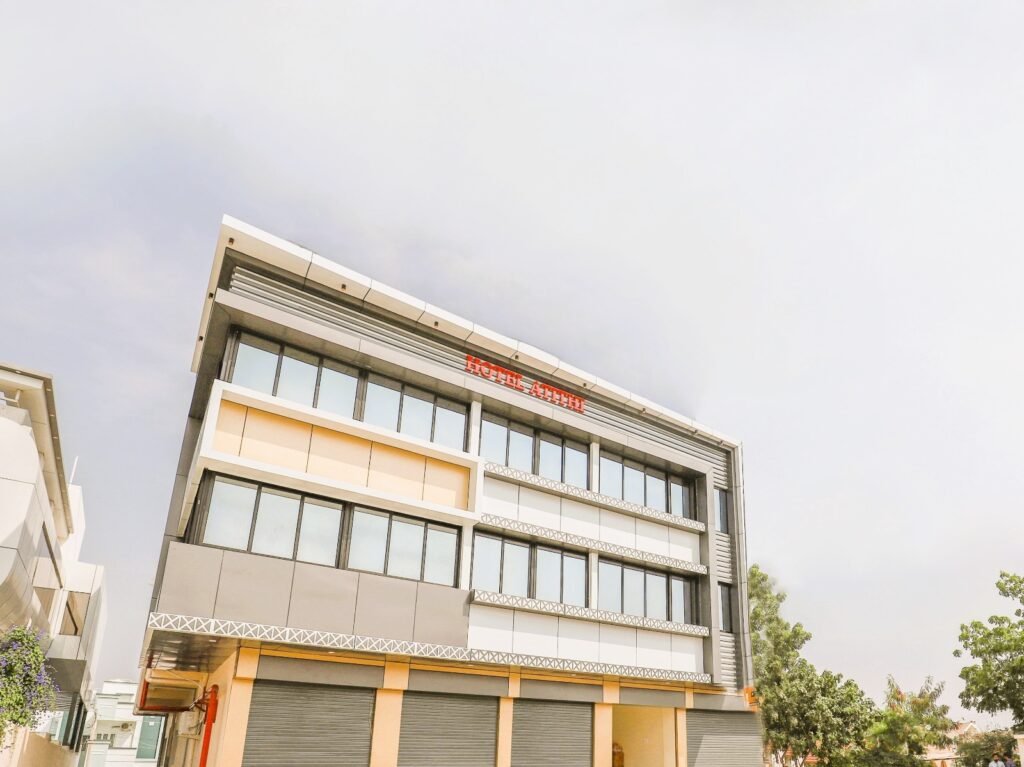
Explore the group’s accommodation portfolio when planning a multi-day Gujarat or Kutch trip. Confirm each property’s location, available room categories, facilities and suitability for your route before booking.
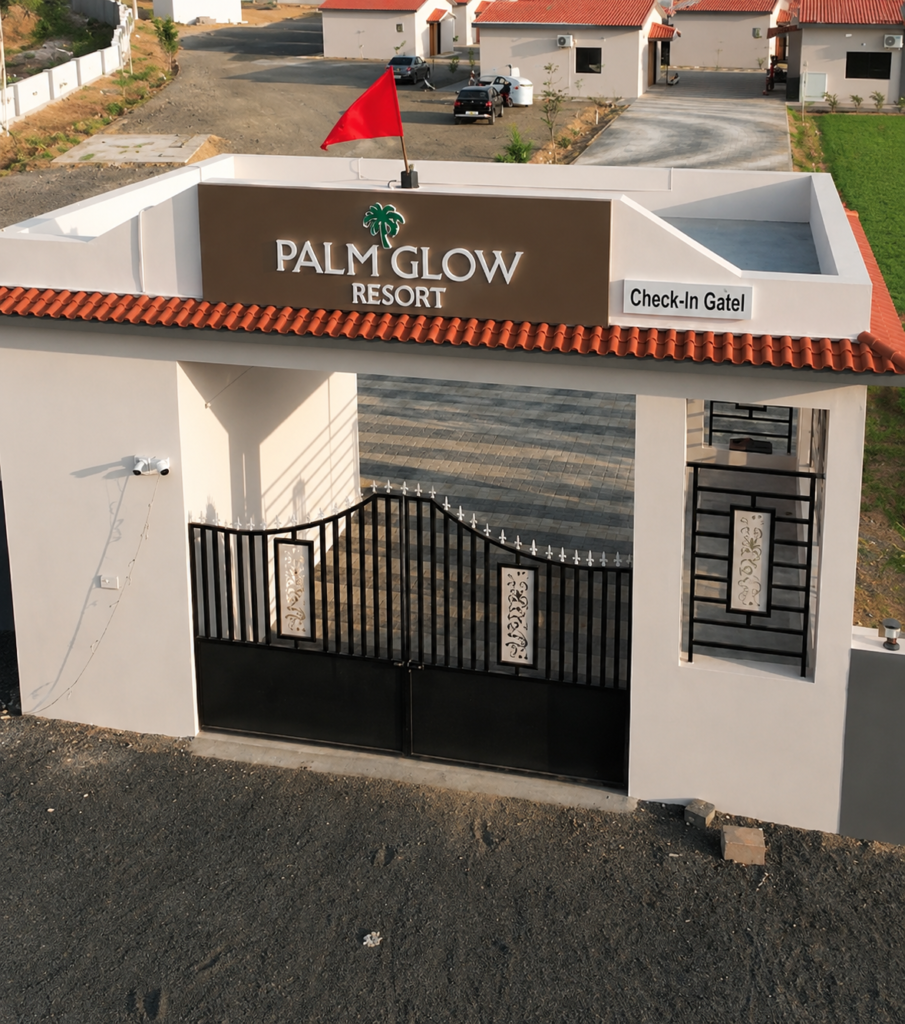
Review the available accommodation details directly on the property’s website. Verify its location and driving distance from Mandvi before including it in a coastal itinerary.
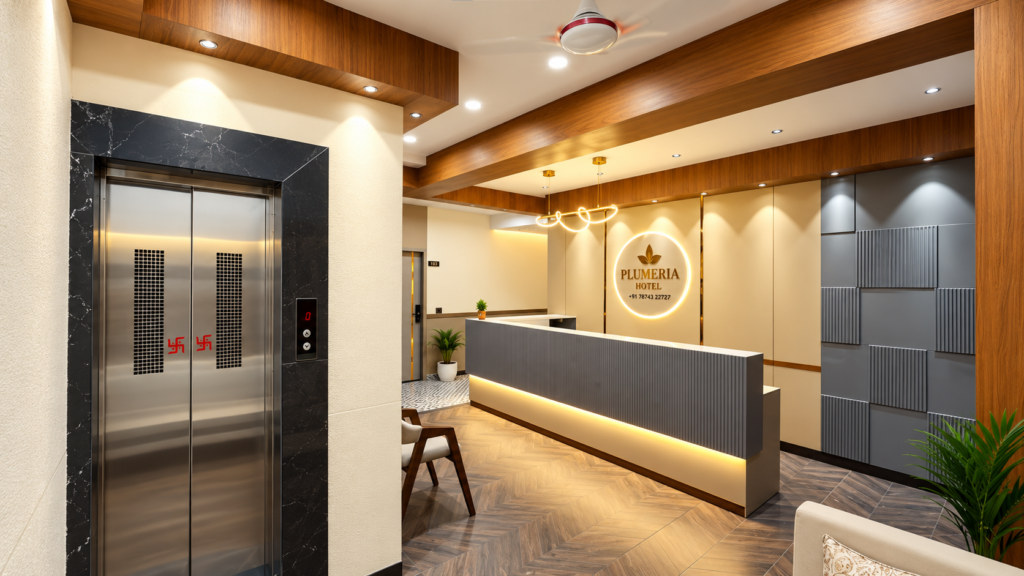
Consider this property as an accommodation option after checking its location, room availability and services. It may suit your itinerary if the location is convenient for your other planned destinations.
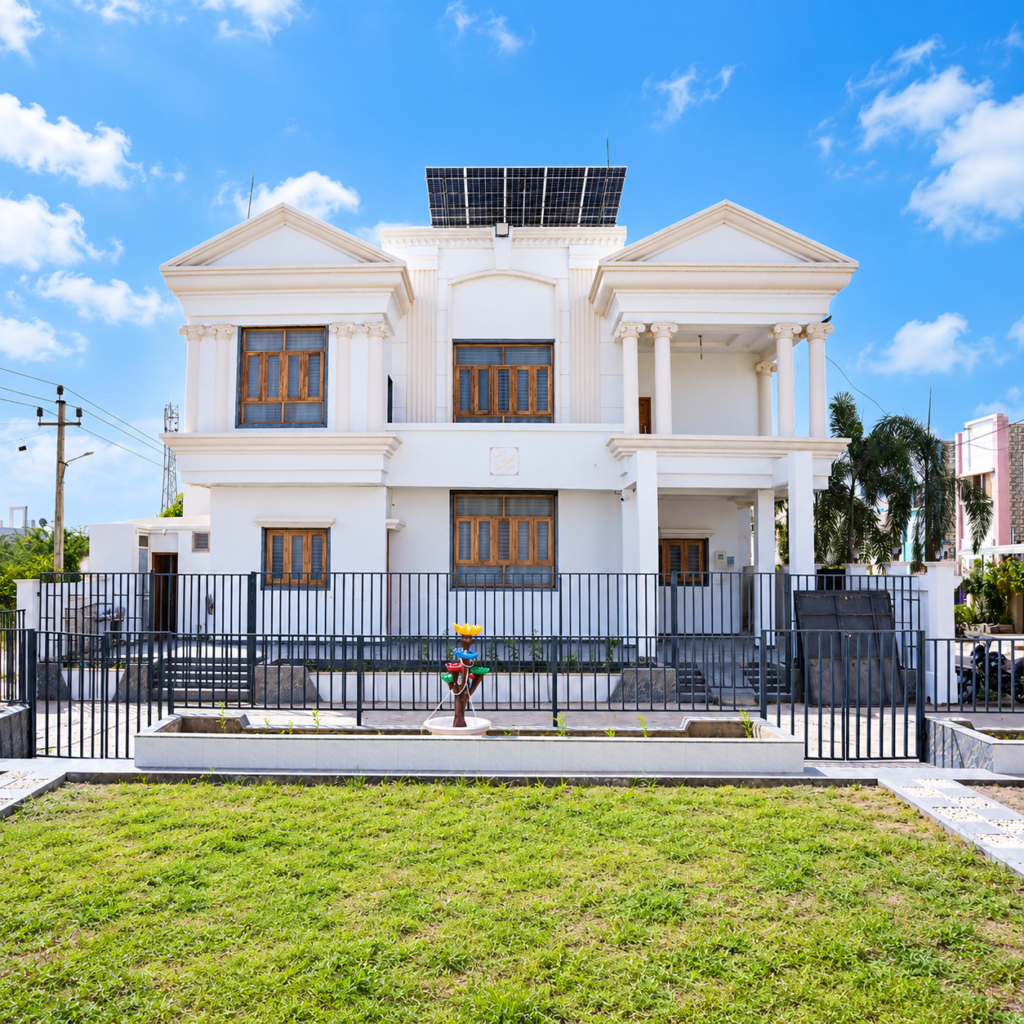
Explore this accommodation resource for a possible heritage-oriented stay. Confirm the exact location, amenities and room availability before making a reservation.
StayGuru’s other properties, including Usha Residency, Hariom Residency, Parkview Residency, Hotel Atithi and Resort Farm Villa, can also be considered when planning a wider Kutch trip. Select a property only after confirming its current location, facilities and relevance to your itinerary.
AYO Hospitality Private Limited can be mentioned in broader brand information where appropriate, but the article should not imply that every property is located in Mandvi or offers the same services.
Taxi, cab booking and tour packages

Use the website to explore travel-planning resources and inquire about a customised Kutch itinerary.

Contact the operator to enquire about taxi arrangements, local sightseeing, airport or railway station transfers and outstation journeys. Confirm availability, vehicle type and pricing directly.
For families and groups, a private vehicle can simplify travel between the shipbuilding yard, Vijay Vilas Palace, Mandvi Beach and other attractions. Couples may prefer a shorter itinerary with more time at the coast, while photography enthusiasts may want additional time at the shipyard.
Before booking, confirm the complete route, pickup and drop-off points, waiting time, inclusions and final fare. Do not assume that a tour package includes entry tickets, meals or a guide unless these are specifically confirmed.
1. What is Mandvi shipbuilding yard famous for?
Mandvi shipbuilding yard is known for its traditional wooden vessels, particularly dhows, and the generations of craftsmanship associated with their construction. It reflects Mandvi’s historic role as a maritime trading town.
2. Where is the Mandvi shipbuilding yard located?
The traditional shipbuilding area is located along the Rukmavati River near the old port area of Mandvi in Kutch district, Gujarat, India. Confirm the exact accessible viewing point before travelling.
3. Are wooden ships still built in Mandvi?
Yes. Traditional wooden shipbuilding continues in Mandvi, although the scale and construction methods can vary. The yard remains an example of living maritime craftsmanship.
4. Is there an entry fee for Mandvi shipbuilding yard?
A current, officially confirmed entry fee is not available in the sources reviewed. Since the yard is a working site, confirm visitor access and any applicable charges locally rather than assuming entry is free.
5. What are the opening timings of Mandvi shipbuilding yard?
A verified current operating schedule is not available. Daylight hours are generally more practical for viewing the vessels, but you should confirm local working hours and visitor access before your visit.
6. What is the best time to visit Mandvi?
October to March is generally a comfortable period for outdoor sightseeing in Mandvi. During summer, temperatures can be high, while monsoon weather may affect outdoor plans.

